
(My) Travel guide to Oman: what to do, what to avoid
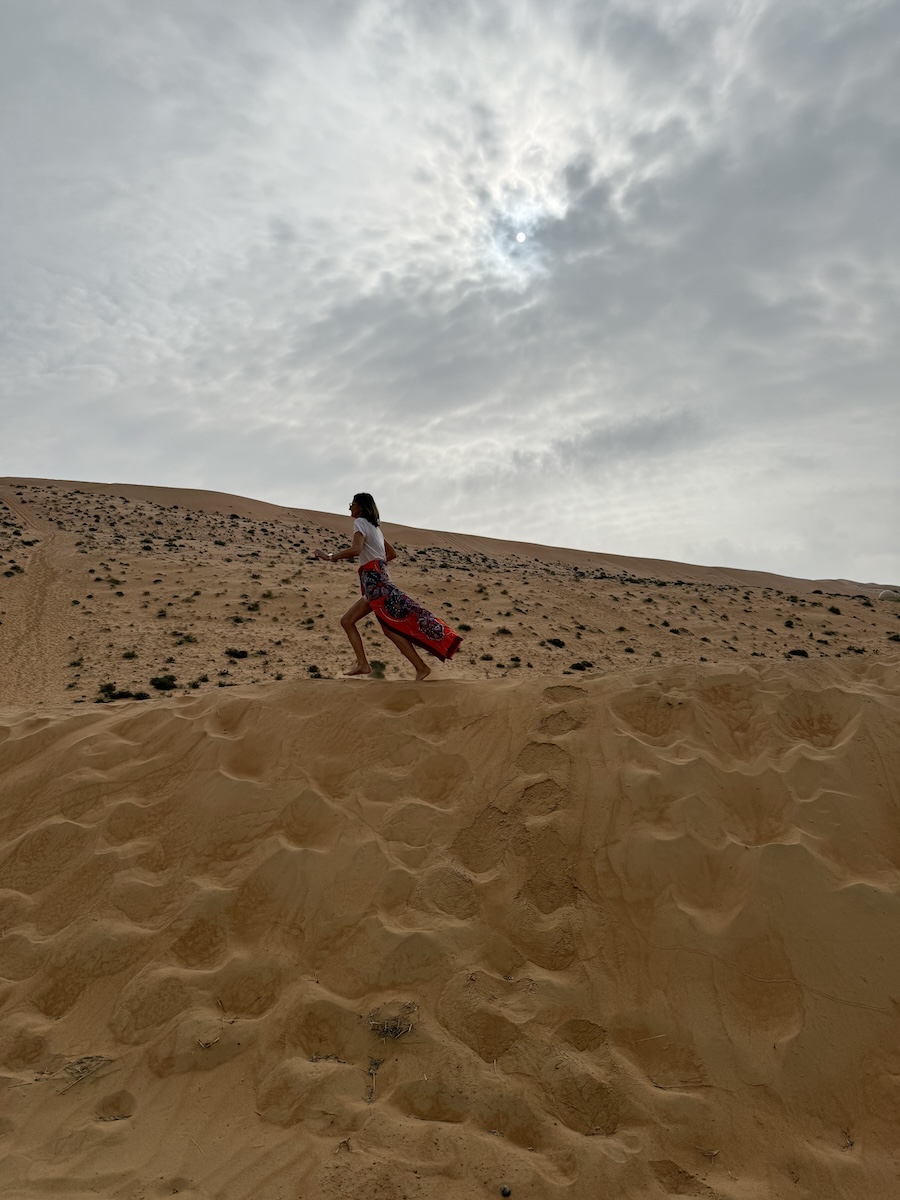
There were two wonderful weeks in Oman. Of course I enjoyed it, ‘cause sun and beaches, you know, and a lot a time to relax. But wasn’t just for that. Oman is a wonder (still not so exploited, still not so touristic). There are a lot of undiscovered jewels, but also some touristic traps and many things to keep in mind when you plan the trip. Here is a kind of not so usual travel guide to Oman – my list of dos and don’ts.
#TravelBlogger #OnTheRoad #English
More pictures & stories from Oman on Instagram account @alinaaliman / and the dedicated Oman trip highlights.
First thing first: it is easy to reach Muscat if you have the first stop in Dubai (many flights, to Muscat or Salalah) and just an hour and something to fly.
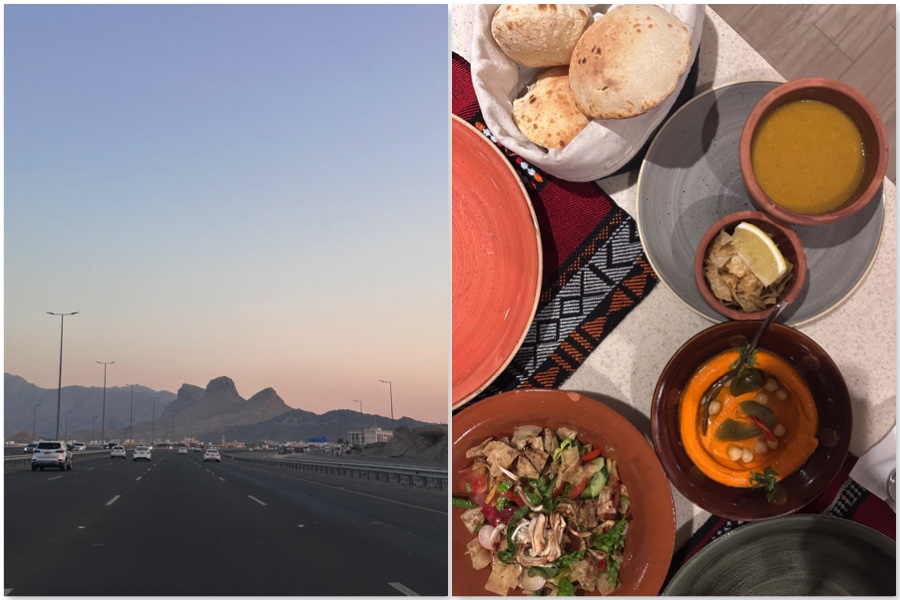
Secondly, a trick learned practicing: no matter how much you will gonna stay, no matter if you are willing to discover only the cities or go to the beach and mountains, you will definitely need a car. And, better, a 4×4 wheels drive car. And it is not just a caprice – the local police will control you if there is a real 4×4 drive before you get to take the road to the mountains. Or to the dessert. Or to the the famous wadis 🙂 Well, yes, better be prepared.
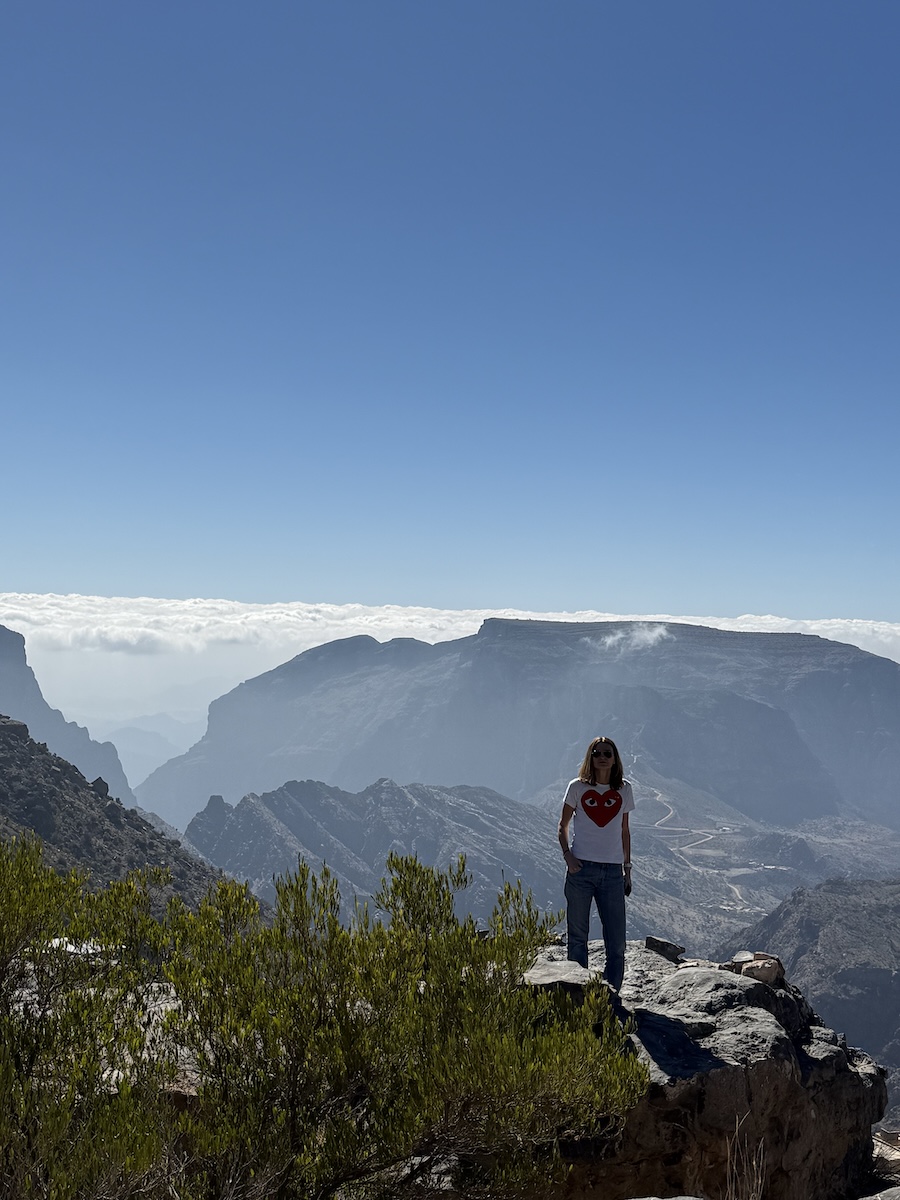
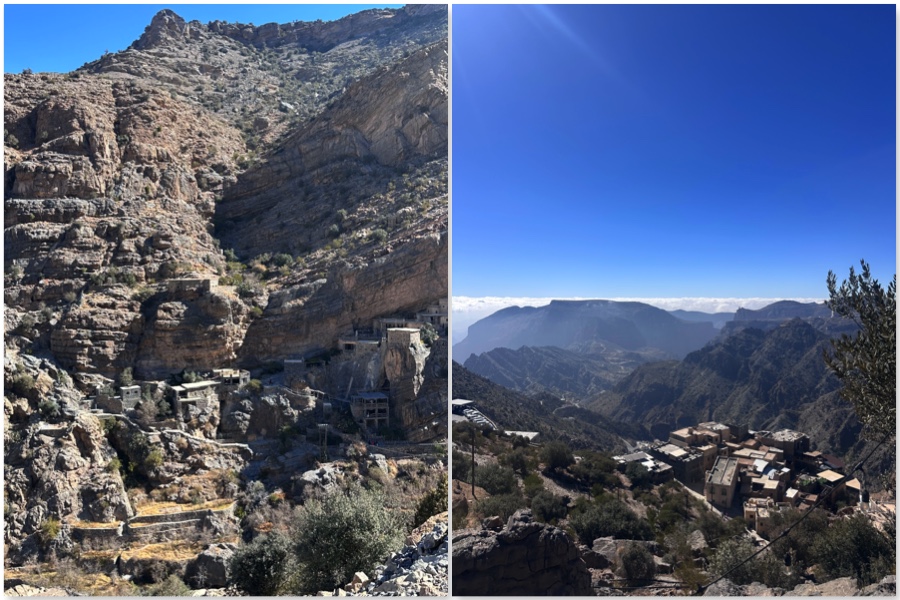
The mountains. Worth going there for the incredible views – the road itself is quite a pleasure for the dedicated drivers (curbs and edges, a very Transfăgărășan vibe, as my Romanian friends would say) but also very Insta-friendly for the passenger on the right. There are not a lot of hotels in the top of Jebel Akhdar (quite a few – from Indigo, Alila, Anantara, D2 Dusit. So make sure you reserve the room and the dinner in advance and, if you don’t wanna drive, ask for a transfer from the main road). Also, do not hesitate to stop at the small coffee shops on the road or in the gas stations – the people are friendly, the coffee is quite OK.
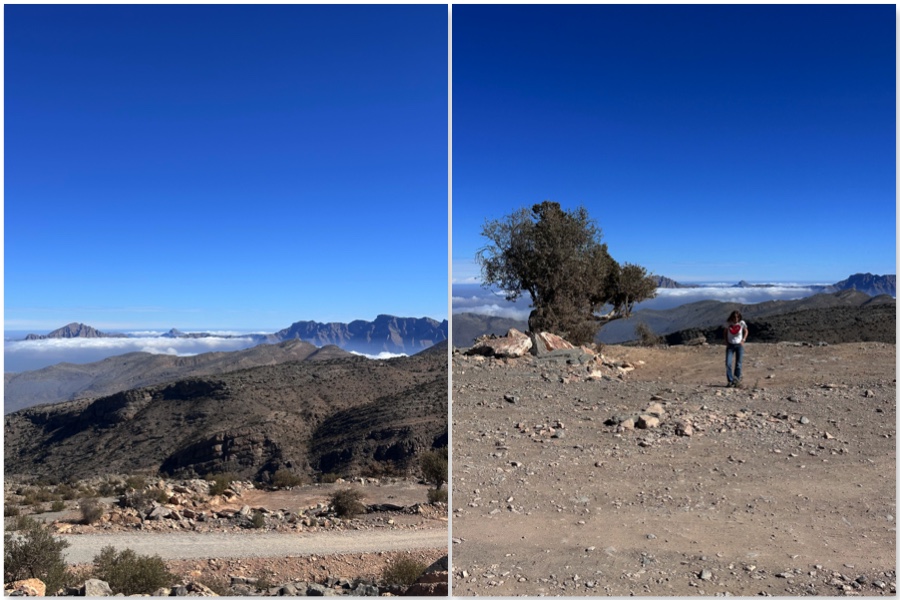
To see here (except the road itself): the view over the Three Villages of Jabal Akhdar (you can also hike there) and Al Suwgra Village (an ancient village with a rich past dating back over 500 years – yes, there are some picturesque and out of the common accommodations in the historical village, didn’t try them).
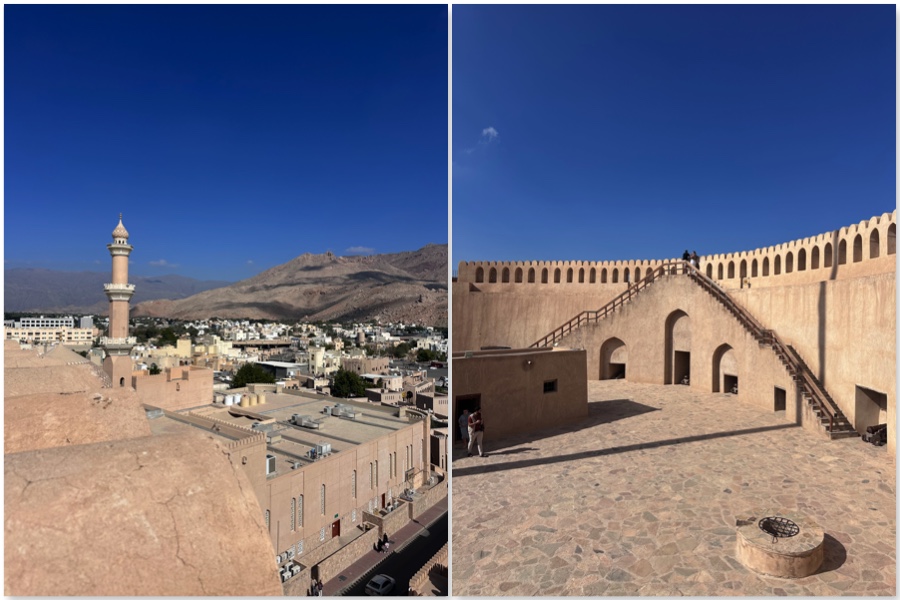
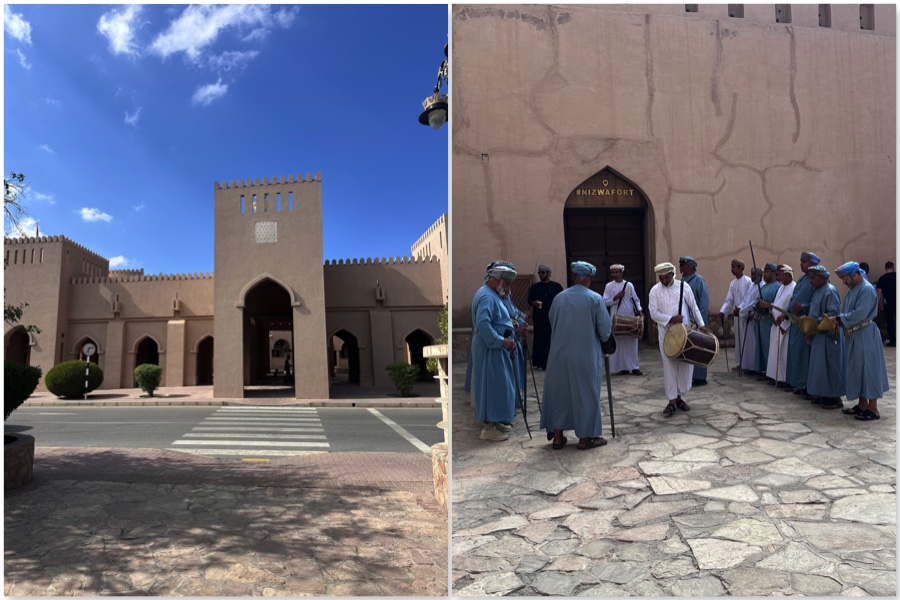
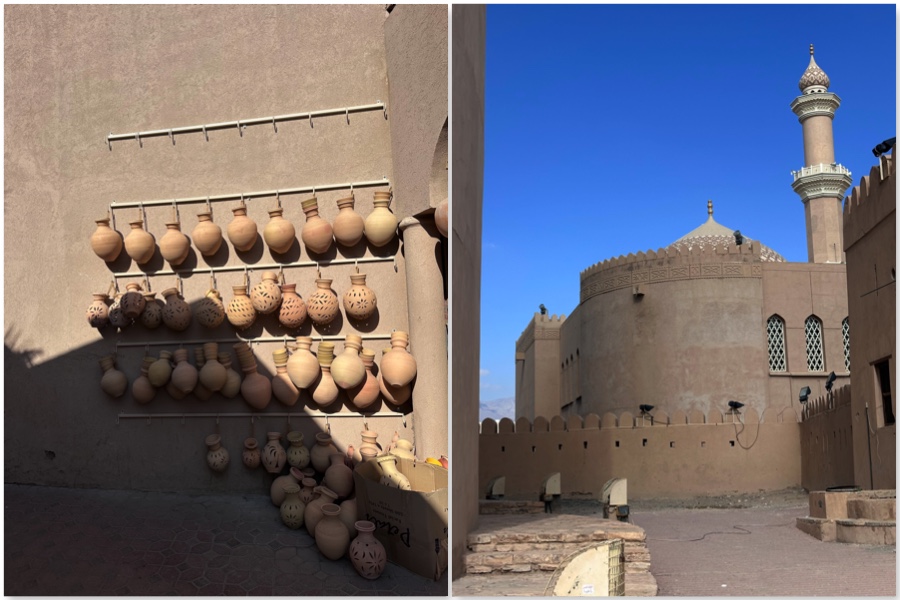
Cultural city: Nizwa. Some touristic guides say that it is an entire day trip in Nizwa, but I really think you can pass it by in a couple of hours. The City Gate is impressive and I loved the palm trees all around. The Nizwa Fort is majestic, alongside with Nizwa Castle (the line between them is pretty slim). The Souq is very cute and traditional (remember that the shops and the souq close mid day!). And worth the wait some happenings with music, dances and traditional crafts. Nizwa is one of the oldest cities in Oman, and was once a center of trade, religion, education and art. Its Jama (grand mosque) was formerly a center for Islamic learning, so, if you are passionate in history, it is a great place to start understand the culture.
To remember: Nizwa has zero public transport, so once here, your best options are driving, cabs, and walking.
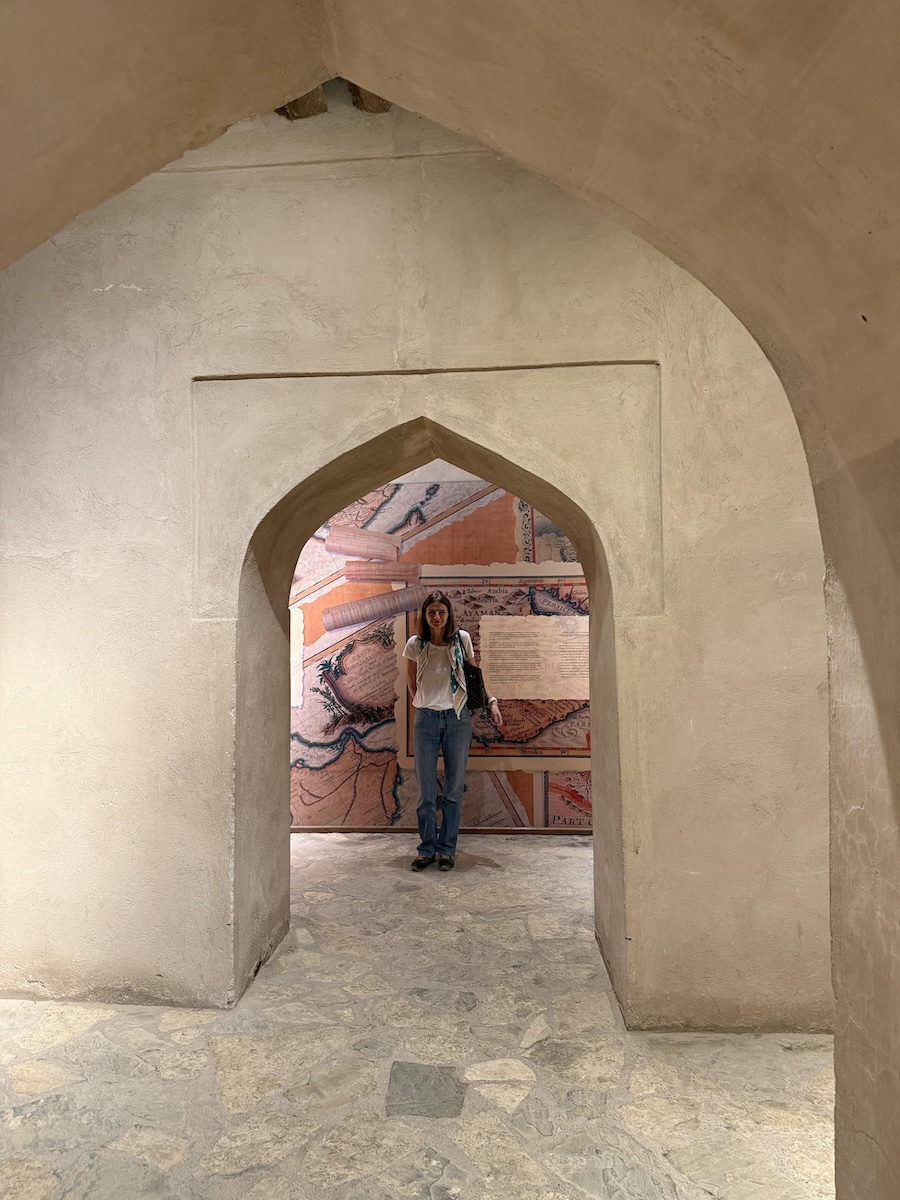
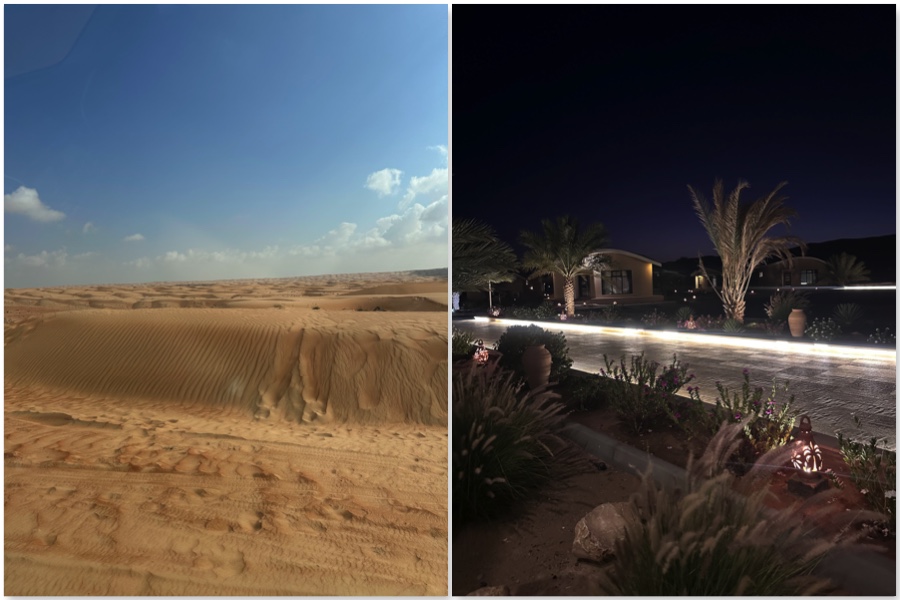
The desert. Of course, Wahiba Sands were the closest ones from out way. It is also the most popular destination, located about 3 hours from Muscat, known for its deep red and orange, 100 meter high dunes. Well, I tell you: here is the point when you can be happy to have a4x4 wheels drive car – because you can drive it over the dunes. If you want to go solo, you can, there are some signs to the resorts, but if you arrive there at sundown, maybe is better to ask the resort to send you a forerunner (all the resorts provide this service). Remember: if you go alone, you should deflate the tires a bit, so you can have the grip (a lot of car shops are along the way, in the villages).
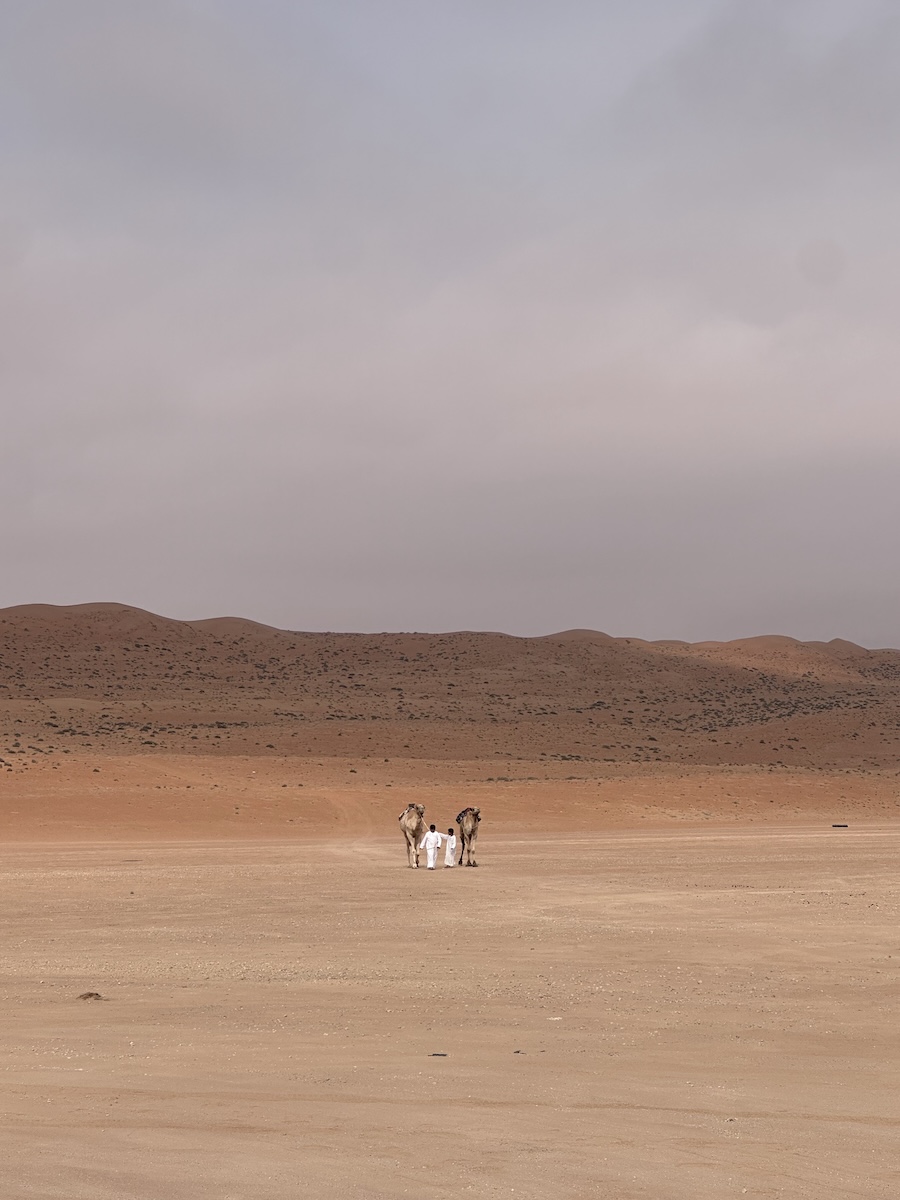
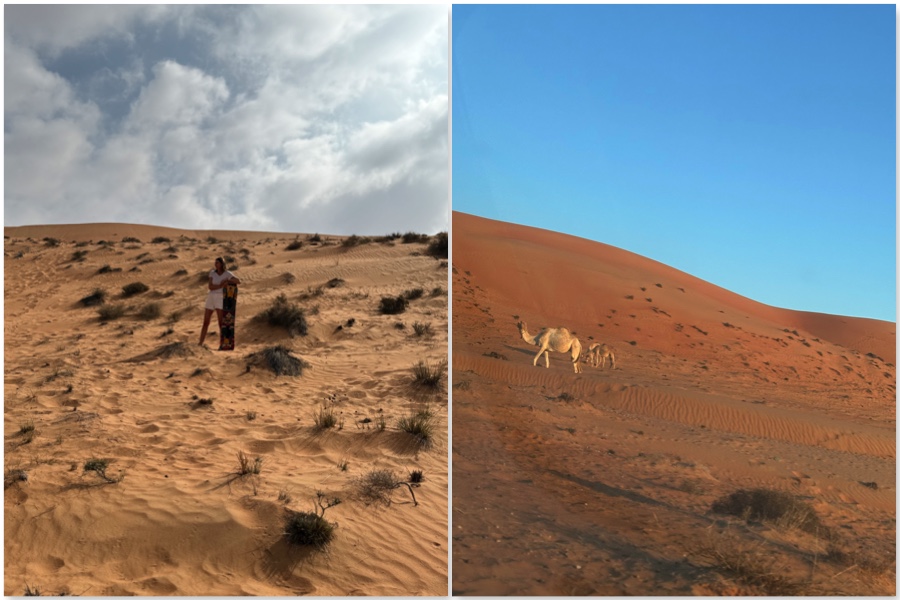
To do here: watch the amazing sunsets and sunrises from the pool, to try the sand-boarding (a little bit boring and slow, because the sand is not so slippery here), to go for a buggy sand ride (no, I will not recommend the camel ride, they are beautiful enough to just watch). By the way, in the desert you can see a lot of wild camels passing by.
Muscat. The capital of Oman (the administrative capital) is a very big city. And when I say big, it is in the American way big – clusters of buildings, houses, restaurants and services in one place, then 20 minutes drive to another cluster. Again, I told you: you need a car. The most parking sports are free, there are also paid parkings (you need an Oman SIM card and and Oman phone number to pay the parking through a SMS or an app – but you can buy them easily).
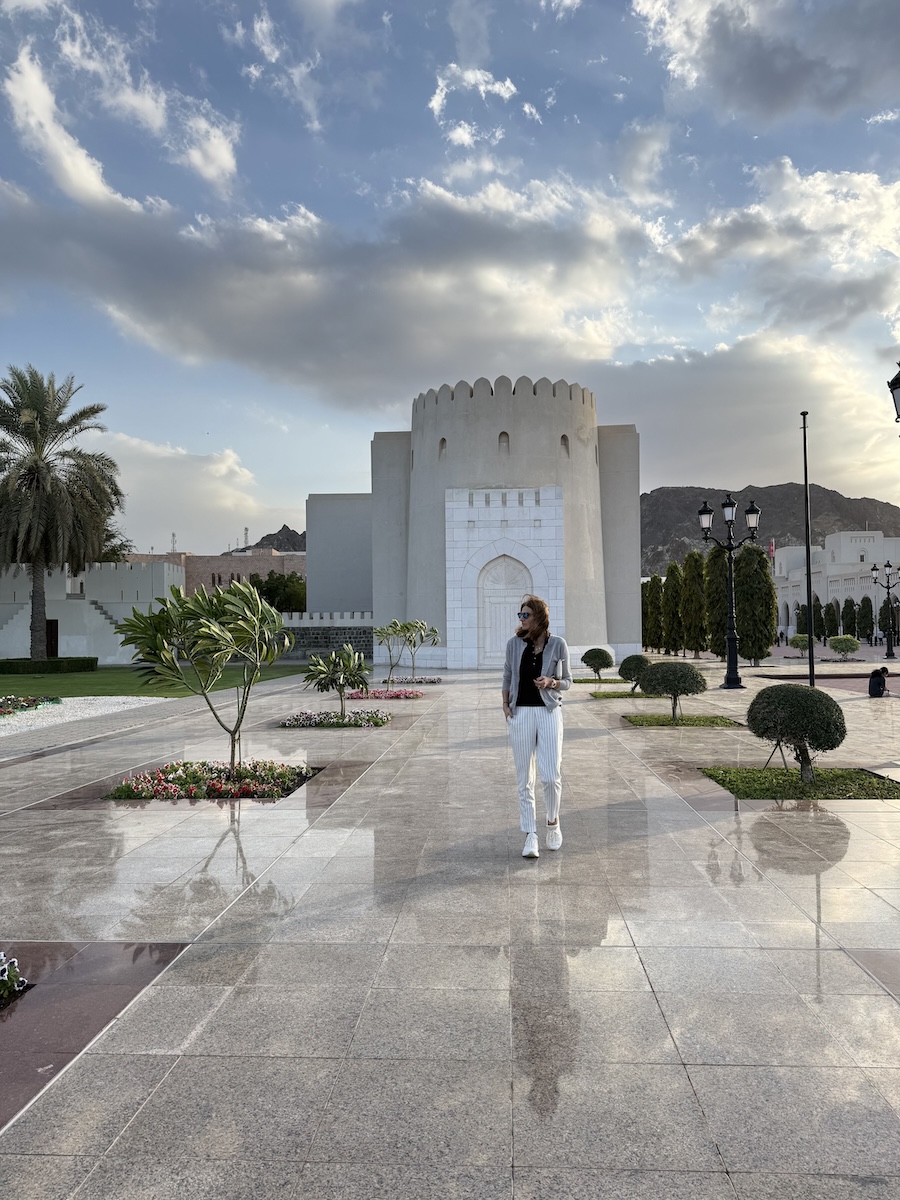
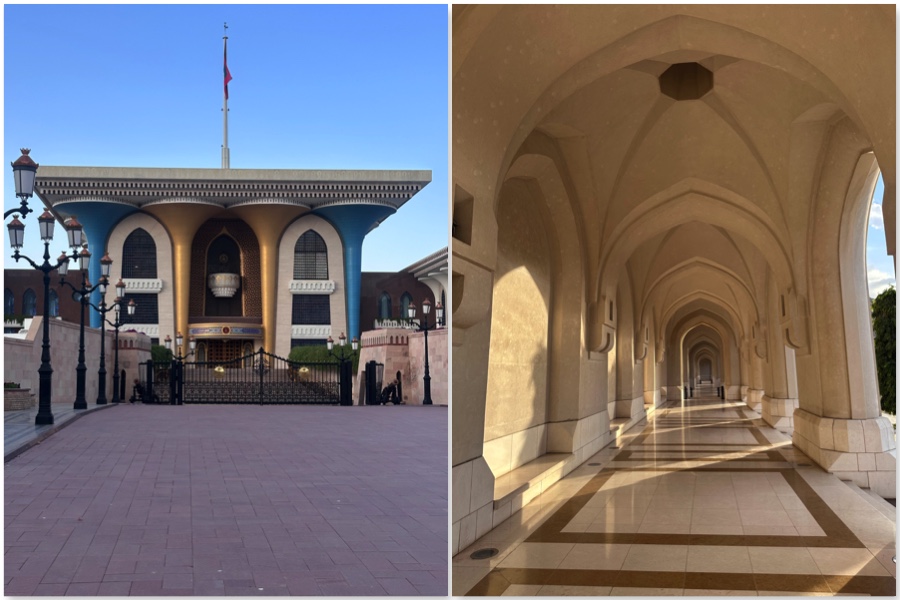
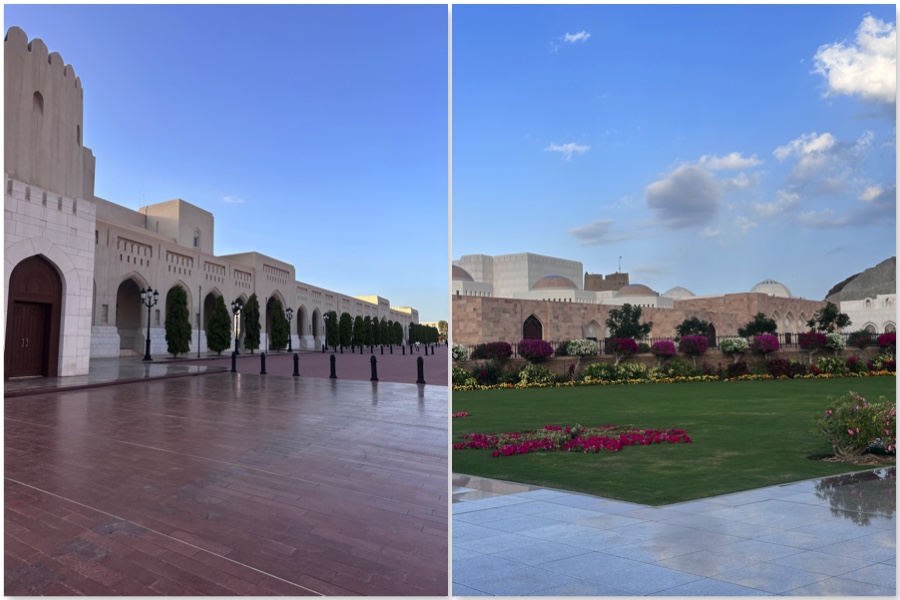
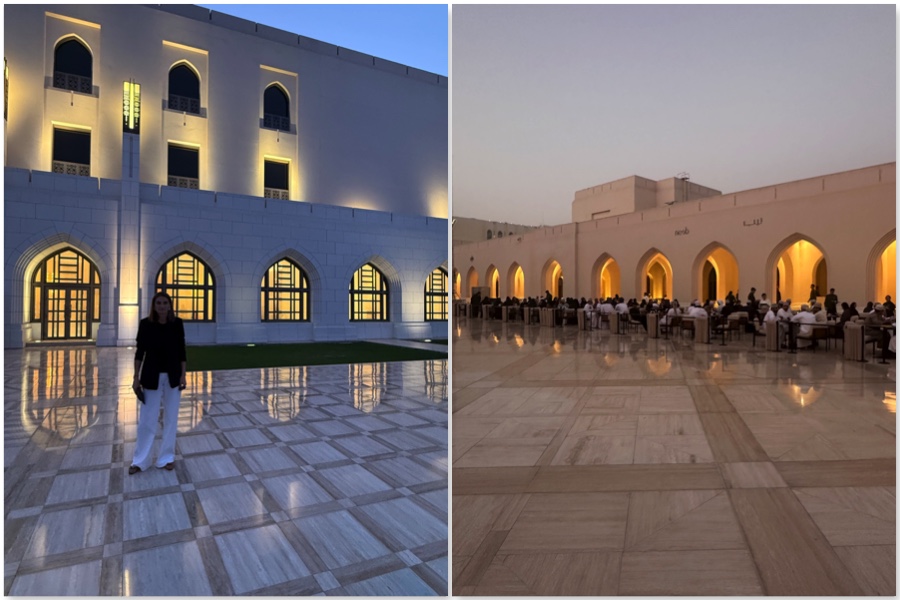
To see in the city: may I repeat myself, but the city is big, you need to go by car from place to place. Al Alam Palace and ist neighborhood is the perfect (and the most beautiful) place to start exploring. Al Alam Palace (Palace of the Flag) is the ceremonial palace of the Sultan of Oman, used for official functions like welcoming foreign dignitaries and heads of state. The gardens surrounding it and the gigantic square in front are absolutely awesome – if you want some very cool pictures, this is the place to go. Take a walk in the neighborhood to see all the elegant buildings, cross over the big square to the National Museum of Oman and admire the craftsmanship.
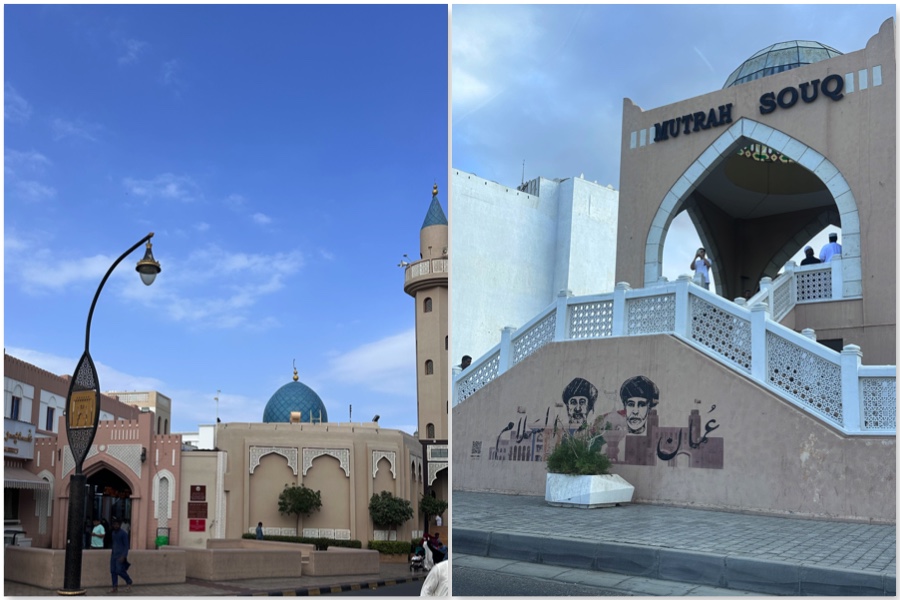
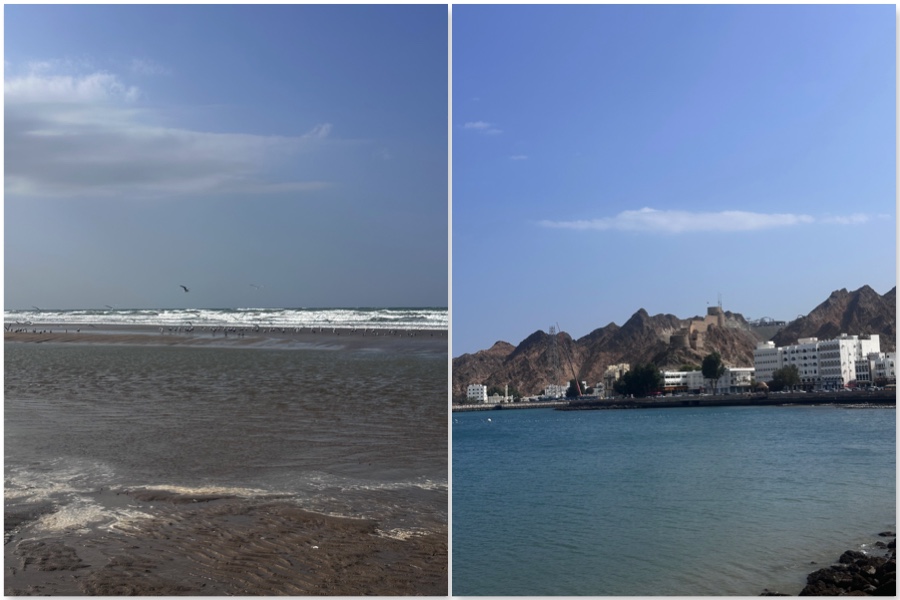
The second area to visit is that near Mutrah Souq – the souq itself is big, very interesting (a lot of amazing traditional rugs, kaftans, frankincense essence, but a lot of China stuff, as well, as in any other souq in the world). Nearby is the Tourist Info center if you need more recommendations and the Fish Market parking is free (or at leat that time of the year). Walk on the Mutrah Corniche Promenade, admire the fort in front, enter into the fish market .
Then, there is Qurum Beach area – wide beautiful beaches, with incredible views (if you stop right on the Qurum bridge you can have a beautiful view over this part of the city). Important: excepting the beaches from the waterfront hotels, there are no places with sun beds and stuff (the locals are coming here with chairs and towels). Nearby, you can see the Royal Opera House Muscat: it is a stunning piece of architecture, opened in 2011 and reflecting the unique contemporary Omani design (it has a a capacity to accommodate maximum of 1.100 people and the entire complex consists of a concert theatre, auditorium, formal landscaped gardens, cultural market with retail, luxury restaurants and an art centre for musical, theatrical productions.
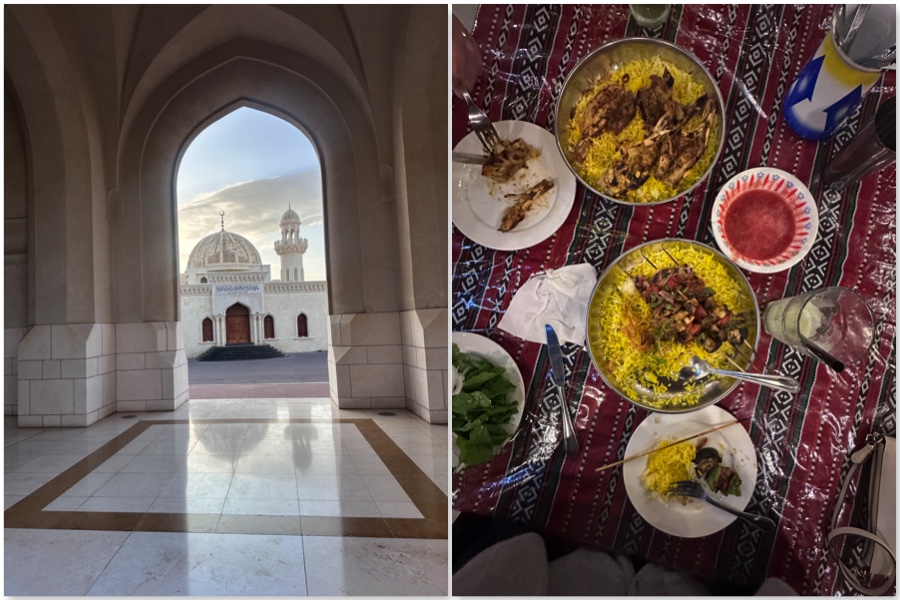
Where to stay and where to eat? As I said, the city is big, therefore if you wanna walk, you can do it just around in the area of your hotel – the big hotel chains are here, from W and St, Regis or Mandarin Oriental to Hilton, Radisson, InterContinental or Hyatt). To eat: the local restaurants are pretty good (do not try, though, the very touristic ones next to the souq). Turkish House Restaurant is a hit (with many locations, very big portions and a nice vibe), Ramssa – very traditional, with a terrace outside and delicious food, Ba Ba & Carbon (inside W Hotel).
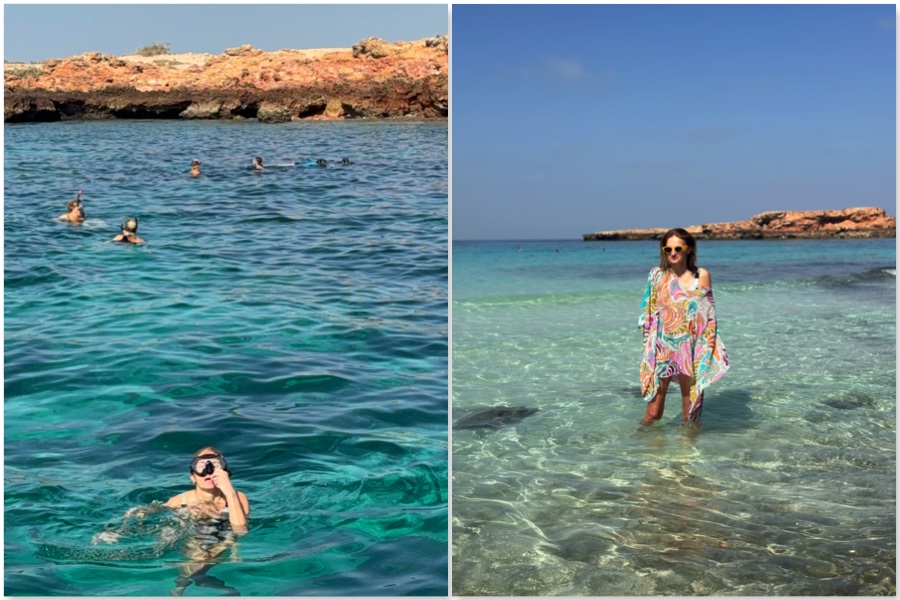
A day trip: get a bout tour to Daymaniyat Islands (an archipelago of nine small, uninhabited islands located off the coast of Oman in the Arabian Sea) to see the turtles, to swim, snorkel & kayak. Be careful what kind of tour you are going to buy – it depends on how many people are on the boat (from 10 to 20), on the activities you wanna try (scuba or snorkeling and swimming), if they provide water and snacks or not.
Wadis, Sur & other stories. Well, I have mixed feeling concerning this part of the trip. The famous Bimah Sink is actually very small and greener that you can see in the Instagram pictures and full of tourists (nop, I didn’t wanna swim there). There are also some others wadis on the way from Muscat to Sur but… and here it came, the big BUT. A 4×4 car is required, then you should look closely where is the wadi and what you are suppose to do to get there. For example, for Wadi Shab (near Tiwi) is requiring a boat ride and a 40-60 minute hike to reach swimming pools, ending in a cave with a waterfall. For Wadi Al Khoud a hike for 6 kilometers is required. And so on. HERE – a list of the Omani official site of wadis and how to get to them. (https://omanwanderlust.com/wadis-in-oman-tips-for-visiting/).
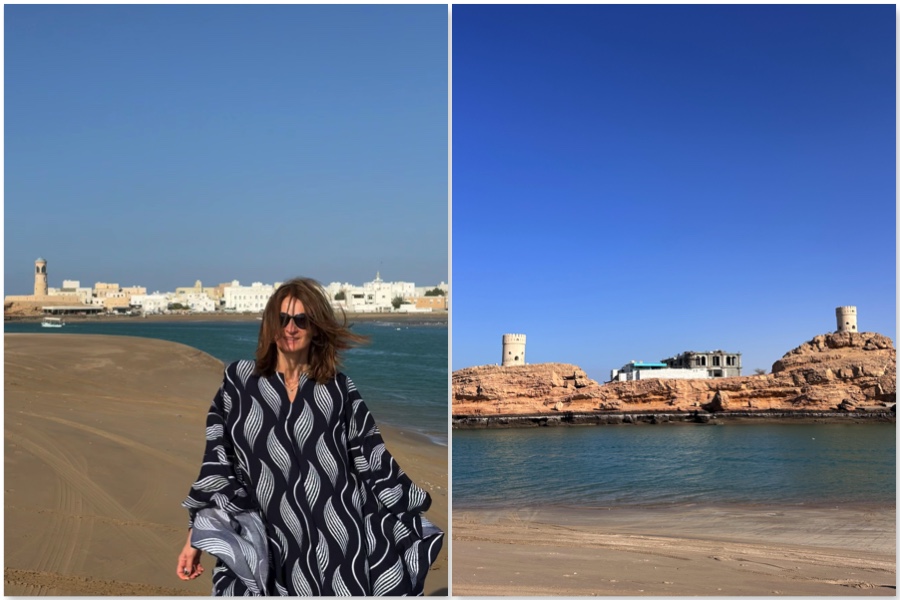
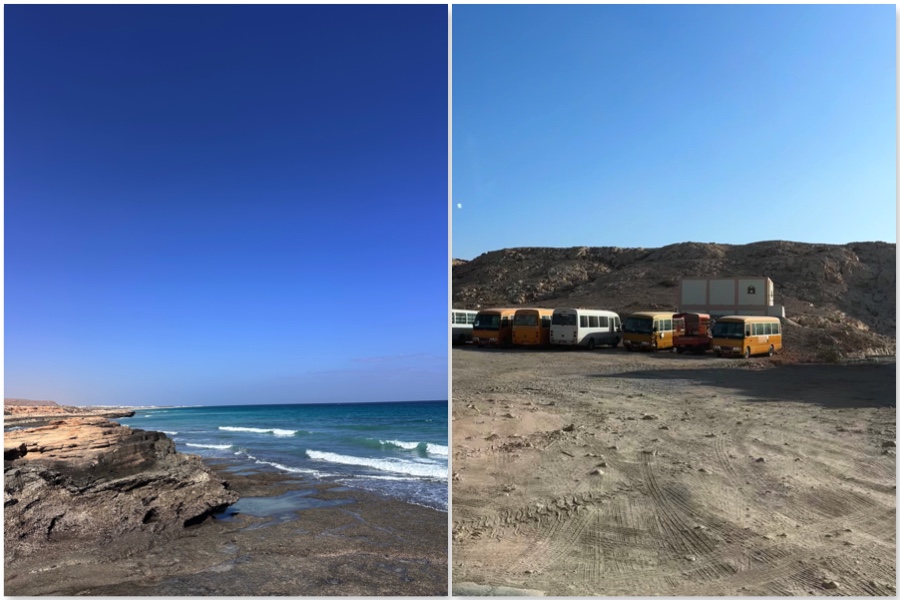
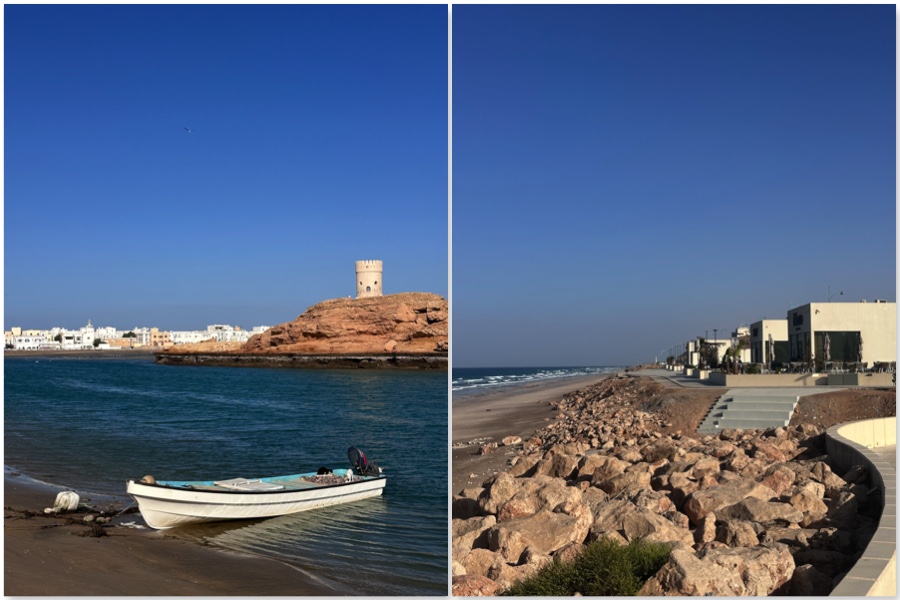
As for the city of Sur – the same. I loved the seaside, from where you could see the city, the old colorful boats, the Al Ayjah fort, Sur Lighthouse. But the village itself is quite dusty and deserted (at leat in the midday). And few options for lunch of coffee (I have found a new and sort of posh area – still developing, put Jarial on Google Maps for barista coffee and pancakes). I will definitely stop on the beaches on the way, where you barely can see some goats, but no people.
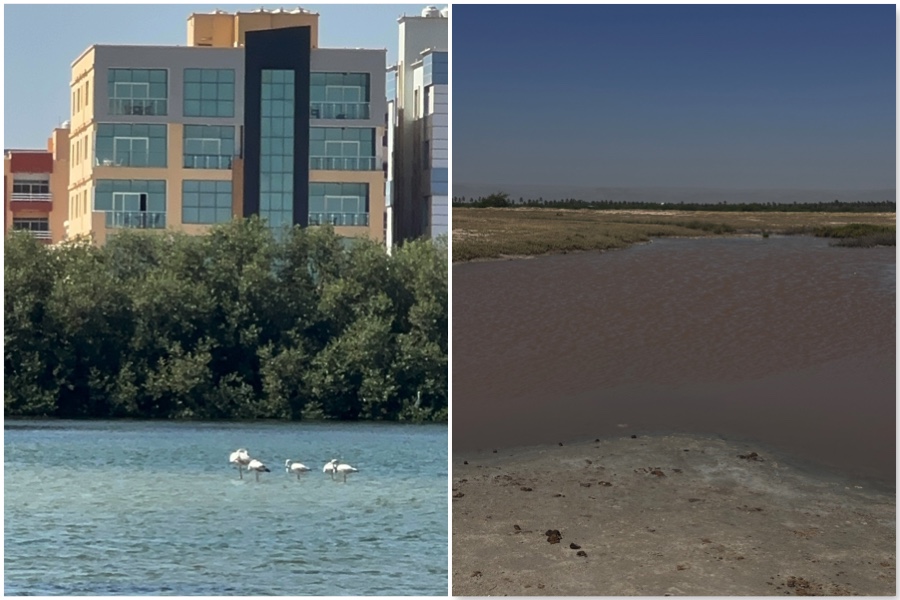
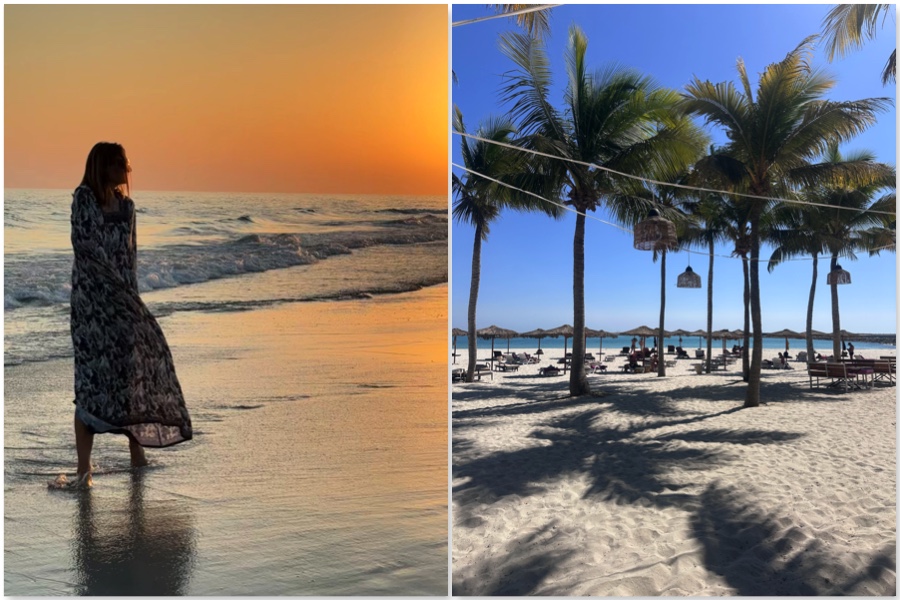
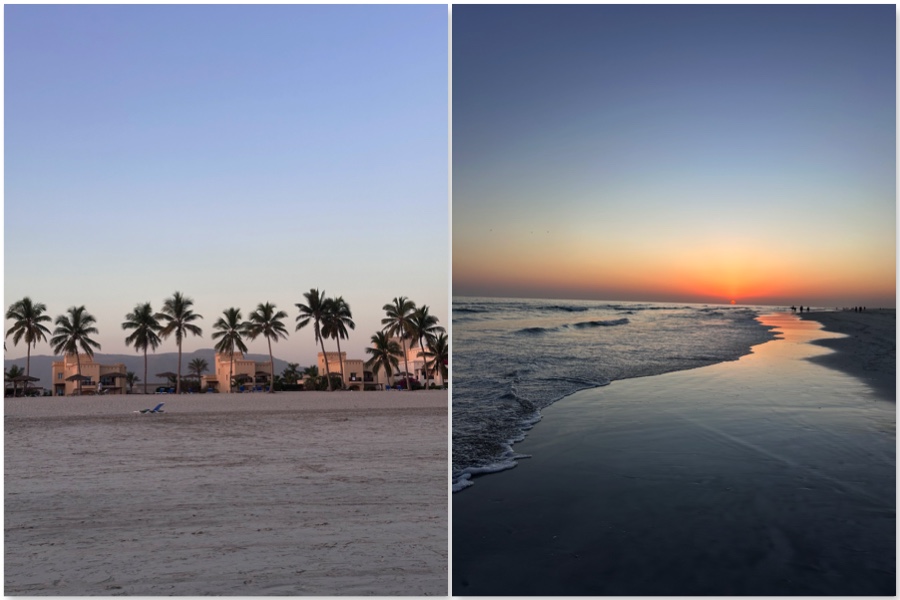
Salalah. The South – things to see & do. The South of Oman is more touristic, warmer and a little bit more compact. In the city there is not so much to see (again, the mall and some clusters with local business), a souq. But the nature is incredible! The Pink Lake is not so pink (it depends on the weather and time of the year) but I saw same flamingos and a lot of wild camels on the was (yes, the answer is – you need a 4×4 drive here, as well, to pass the dunes). Enjoy the sunsets and the beach and the amazing food. For accommodation: Juweira Boutique Hotel, Salalah (excelent!) – https://hawanasalalah.com/ is a big resort, with hotels for adults, for families, a lot of entertainment zones and good restaurants. My favorite? Lava Coffee Shop. To eat: Mekong restaurant at Anantara Salalah was to die for.
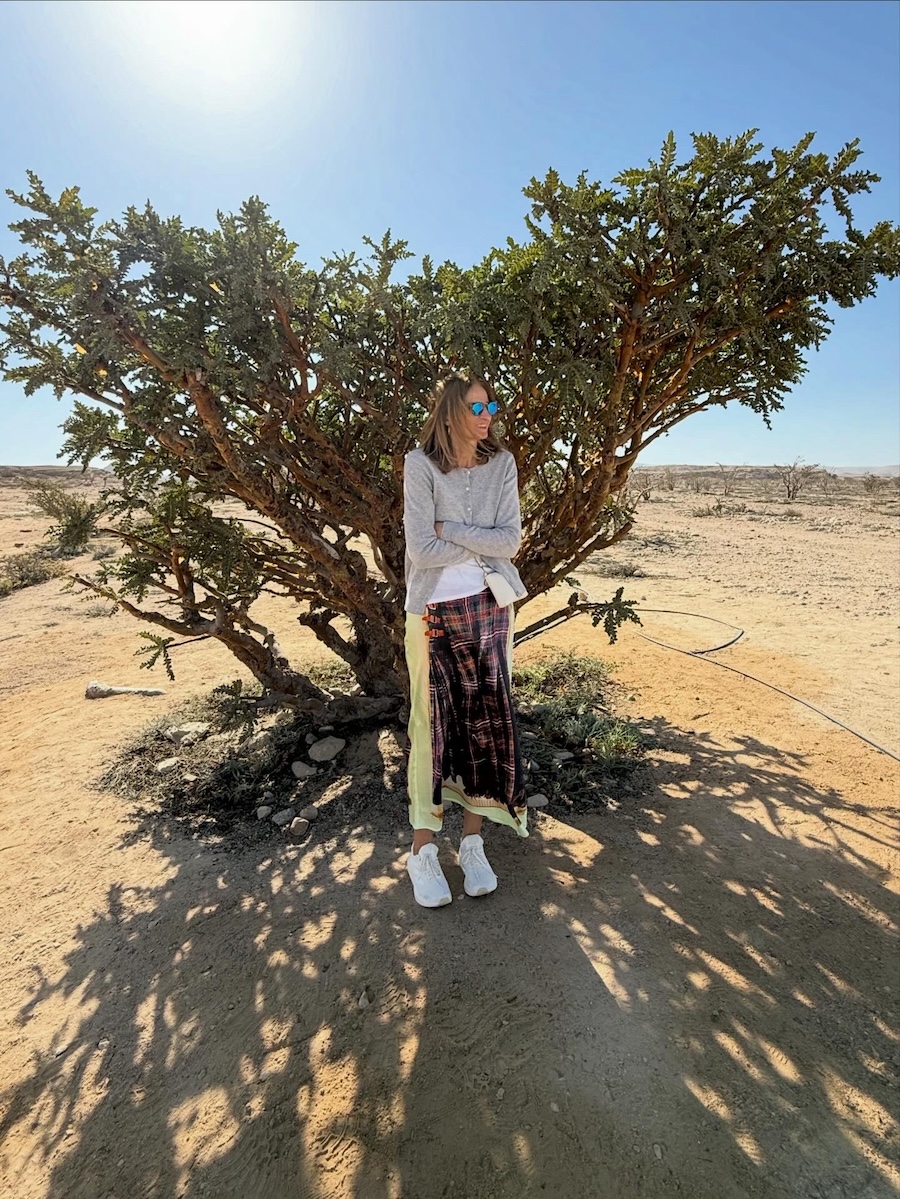
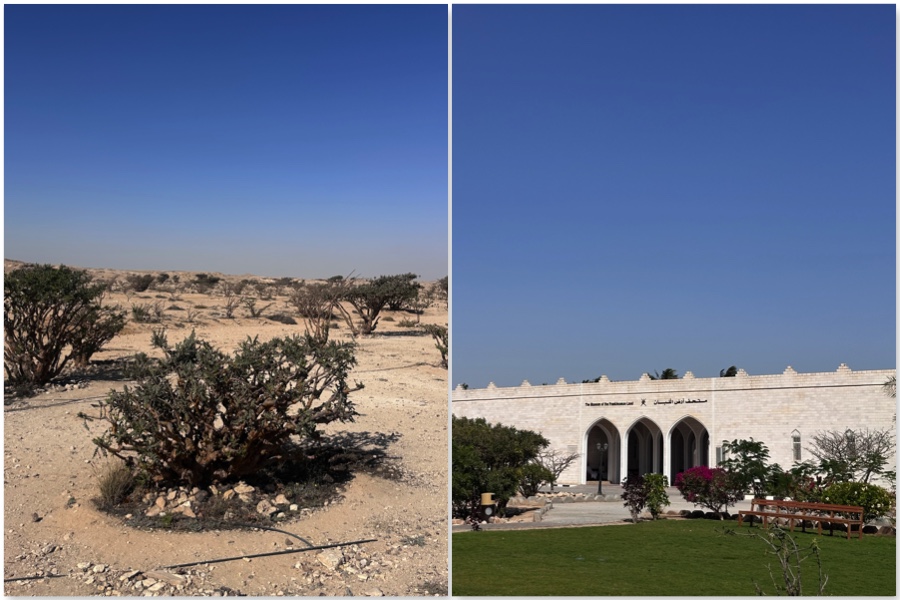
Salalah. Frankincense plantation & Museum of frankincense. You cannot come here and not take a ride to see the frankincense trees – UNESCO-listed Wadi Dawkah is the place to put on the map. Over 5.000 trees are planted here, serving as a hub for both traditional and modern production (here – more info – https://www.wadidawkah.com/). Then, back into the city, you can visit the Museum of frankincense and find out the whole history about the trees, the tradings, the economic relationships of Oman since ages.
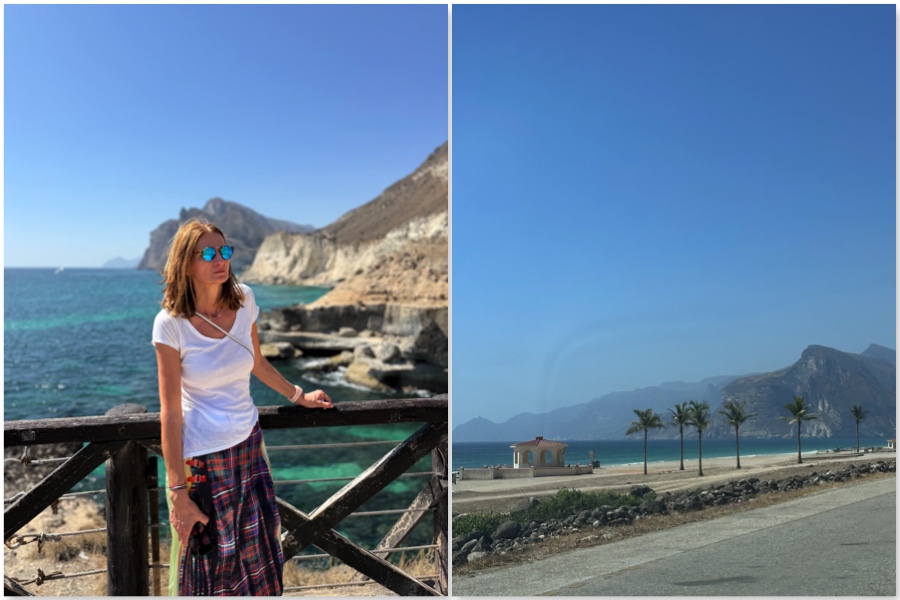
A day trip – to Magsheel Blow Holes, Marneef Cave and Mughsail Beach (the road itself takes about 45 minutes, but for sure you wanna explore the area). With endless shoreline, turquoise waves, and unique blowholes that shoot seawater high into the air, Al Mughsail has earned its reputation as one of the most iconic beaches in Oman. Bonus: a lot of wild camels on the road.
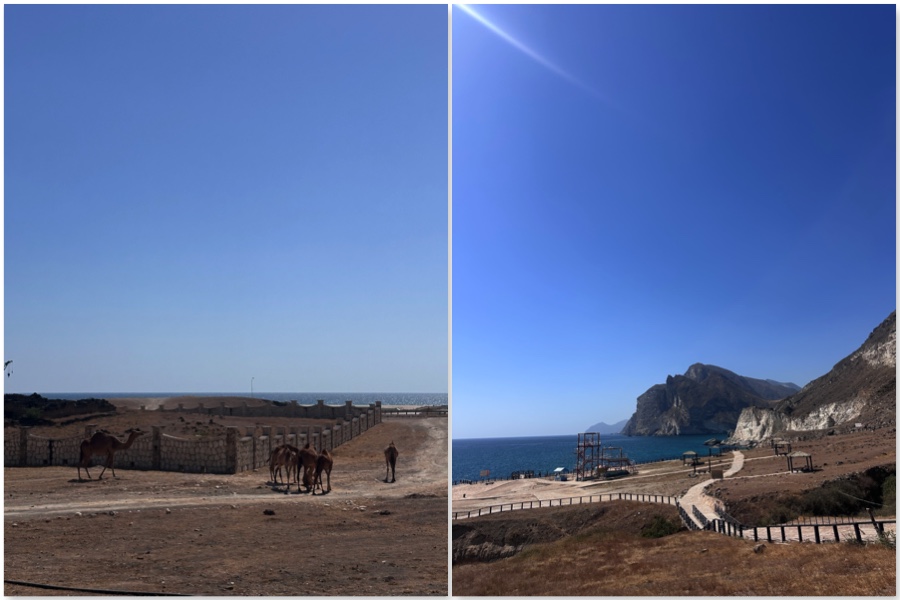
Things to do & not in Oman (or before get there): verify the Visa conditions, rent an 4×4 wheels car; make the reservations at the restaurant in advance; in many places the card payment is available; avoid toilets at the gas stations (not so clean); try local shops in the small villages for kaftans & other kind of shopping; do not disrespect the local traditions and customs.
Photos: www.dreamingof.net.
TAGS: frankinscence tree, Jebel Akhdar, Muscat, Oman, Salalah, Sur, Wahiba Sands
Latest feeds @alinaaliman
