
4 art exhibitions to see in February 2026
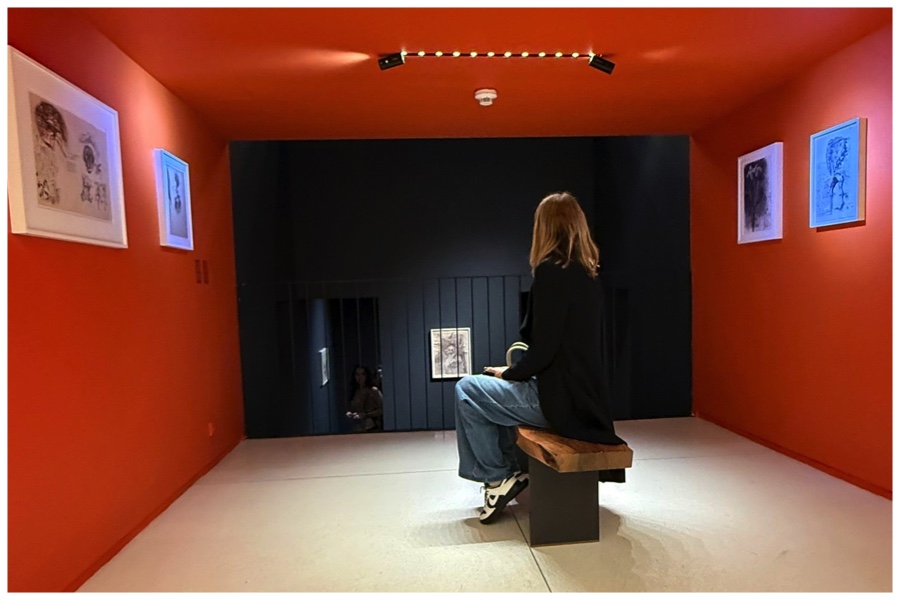
February may be the shortest month in the calendar, but this doesn’t mean that is not full of art cool exhibitions to see. Some of them are still on going from the beginning of the year (see here the examples) some are brand new. From some op art and Romanian Avantgarde representatives to young and talented contemporary artists and drawings on paper and artistic historical researches. These are 4 art exhibitions to see in February 2026.
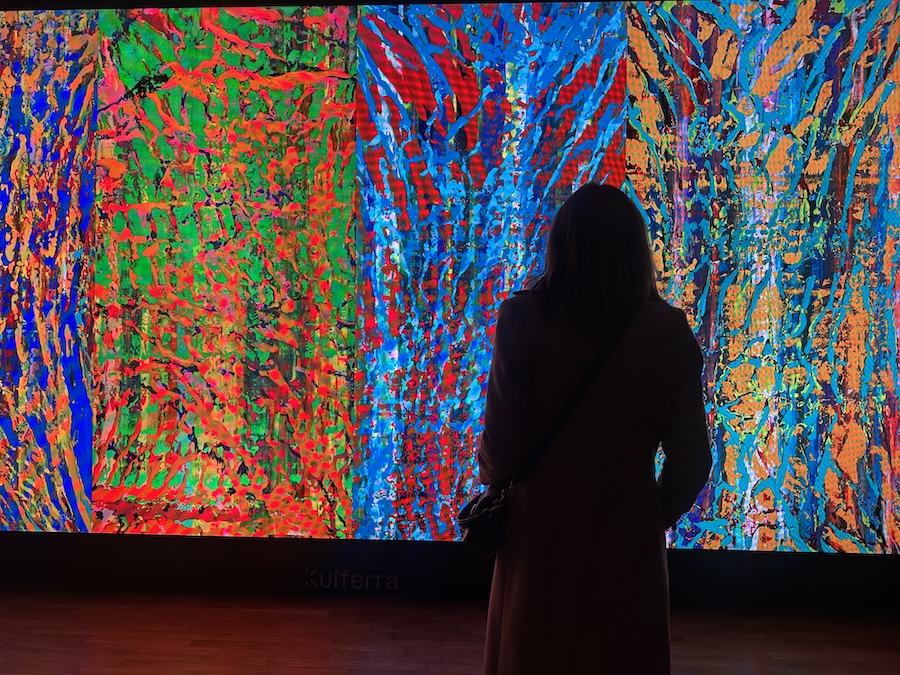
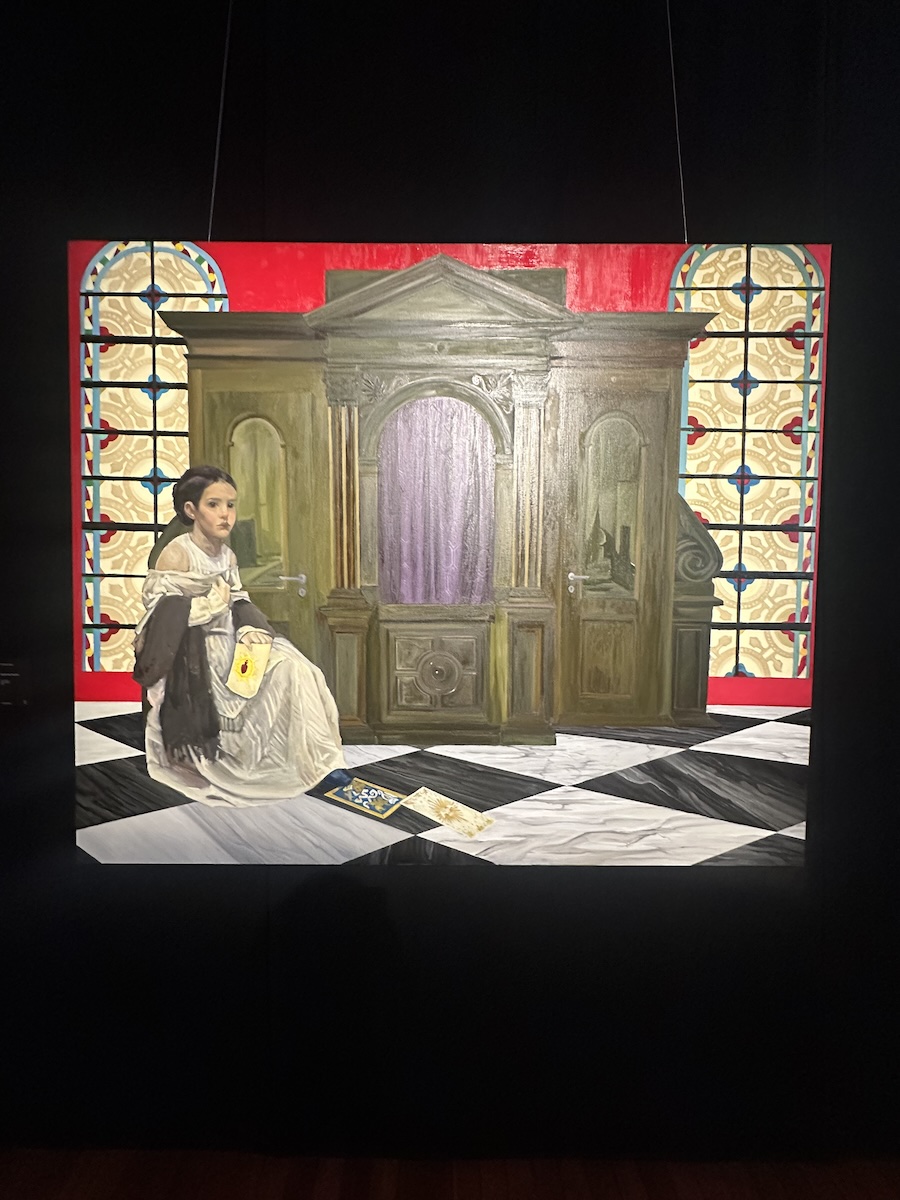
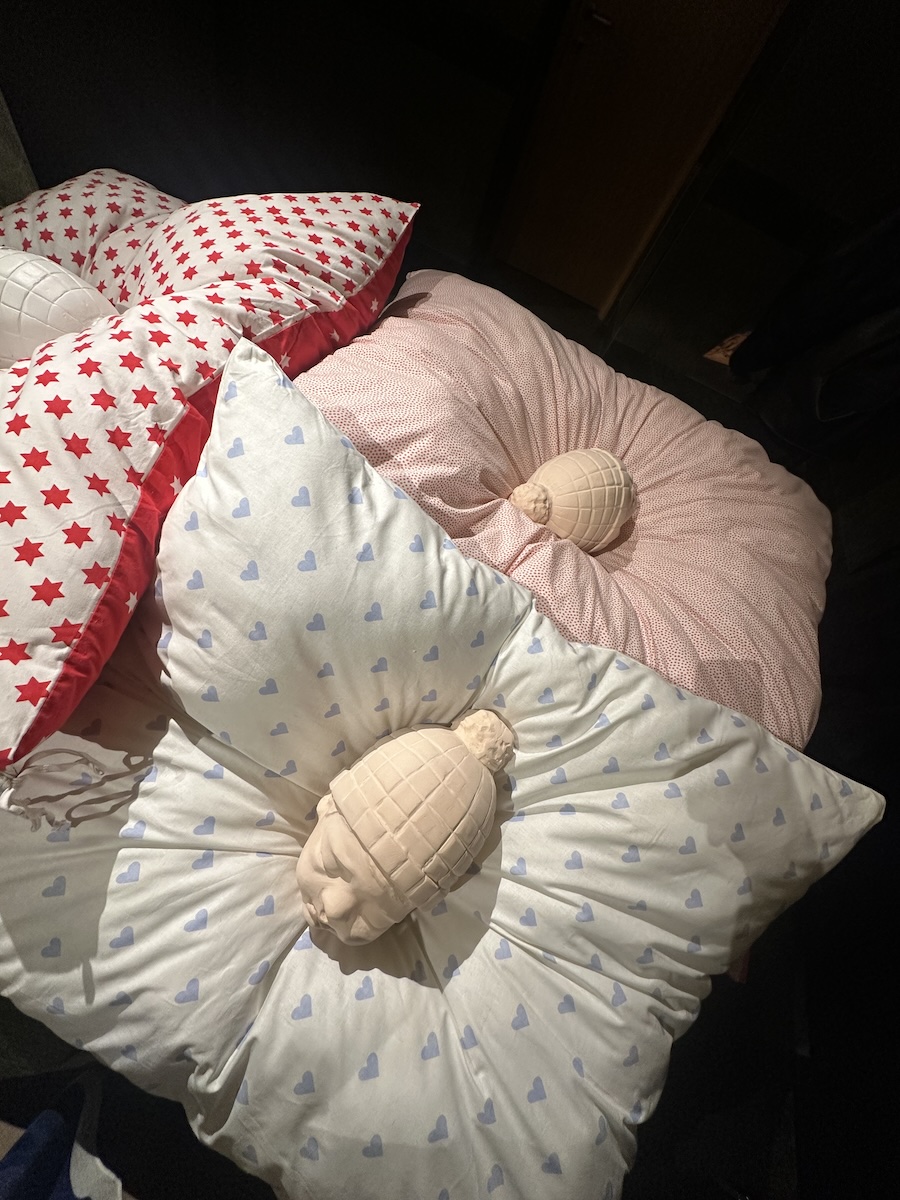
Fictional Realities (Kulterra Art Gallery, 12nd of February – 13th of March 2026) – www.kulterra.art
The artists: Ana Maria Dranga, Bogdan Negulescu, Heidi Tradnik, Raluca Ilaria Demetrescu, Rebeca Ulici, Robert Lőrincz, Roxana Ajder. The theme: if the fictional refers to something invented, the fictional designates a constructed world, a universe created through imagination, with its own laws and truths and sensitivity, and it is precisely this nuance that gives meaning to the title and speaks about the source of inspiration of the artists. Art does not imitate the world, but reinvents it, each work becomes a fiction with the value of truth, a way of knowing differently, reality is not reproduced, but traversed.
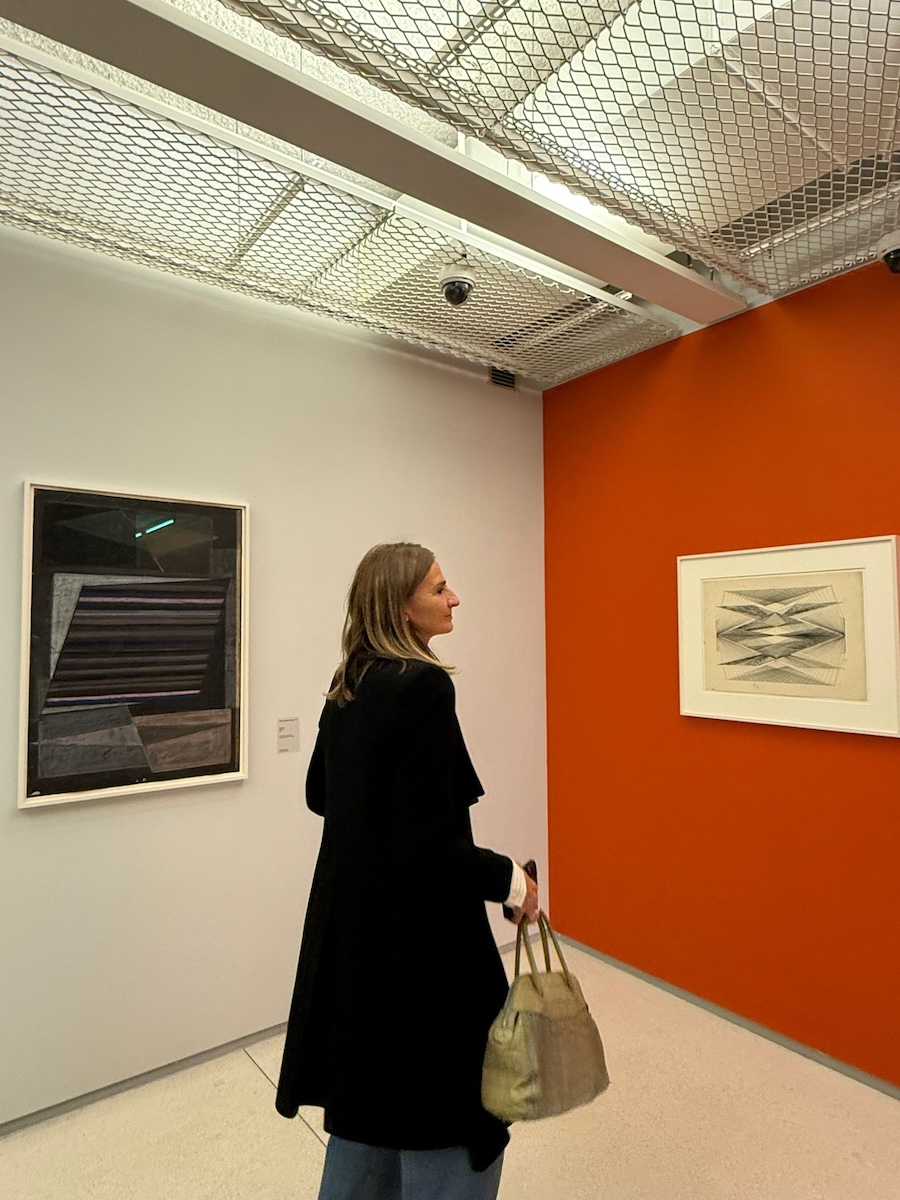
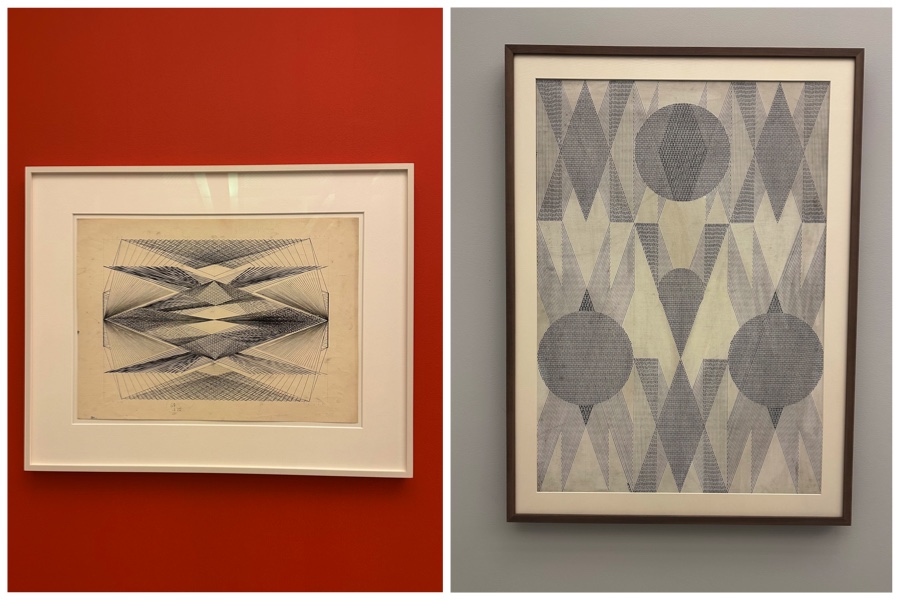
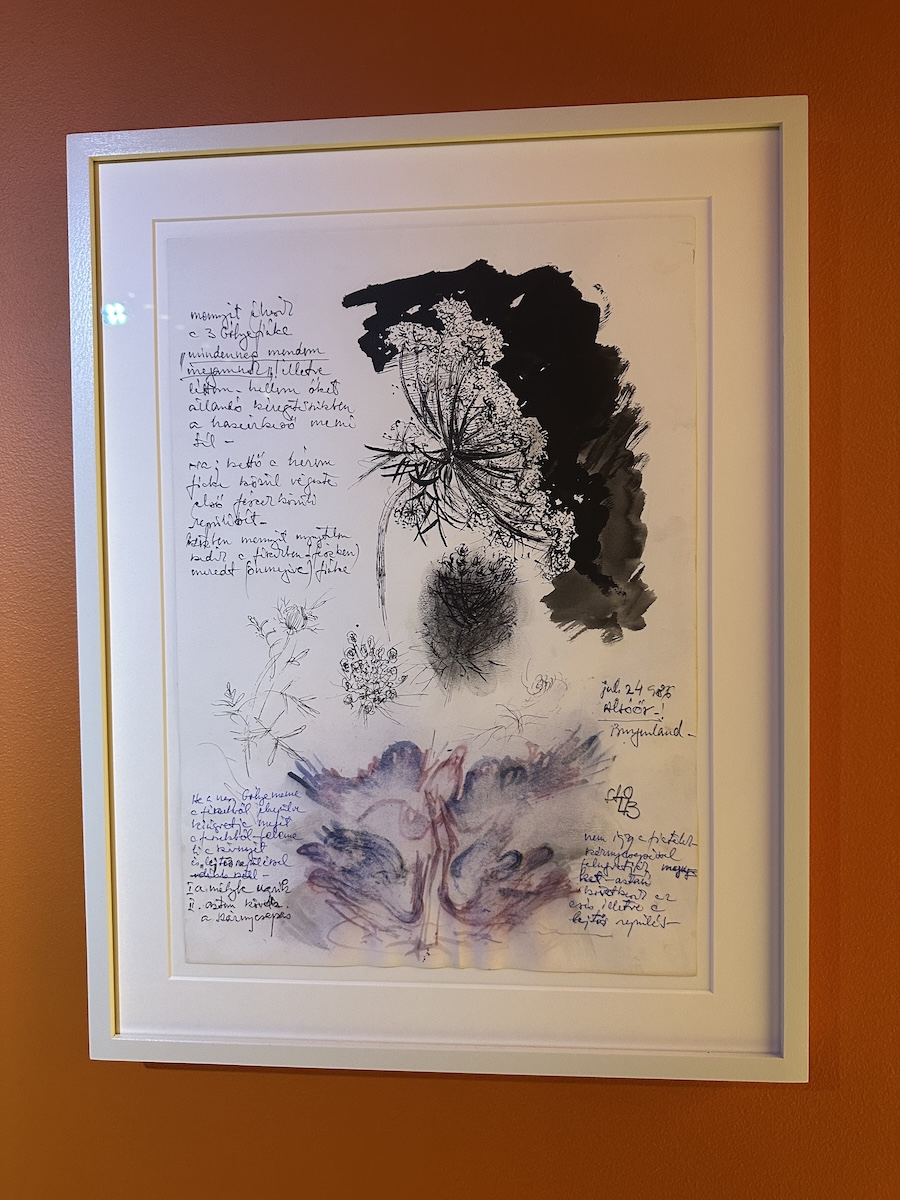
Ștefan Bertalan – În ritmul lumii / In the rhythm of the world (MARe – from 6th of February to 3rd of May 2026) – www.mare.ro
A little bit of op art, the beautiful studies of flowers and vegetal world, from curious notes to interesting studies of human body – the exhibition is an encounter with the work of an artist who viewed the world with sensitivity and rigor and transformed daily observation into art. The exhibition is curated by Bernard Blistène, Honorary Director of Pompidou, Paris (with the help of Iuna Șerban, curator at MARe). Ștefan Bertalan have explored the connection between man, nature and technology, observing the world as an organic system, in a fragile balance between order and chaos. Fascinated by light, rhythm and growth, he wrote down his daily observations of plants and natural environments. Two rooms focus on Ștefan Bertalan’s relationship with the other co-founders of the 111 and SIGMA groups, two artistic movements in Romania – giving another perspective of these two essential moments of the Romanian and European neo-avant-garde of the 1960s–80s.
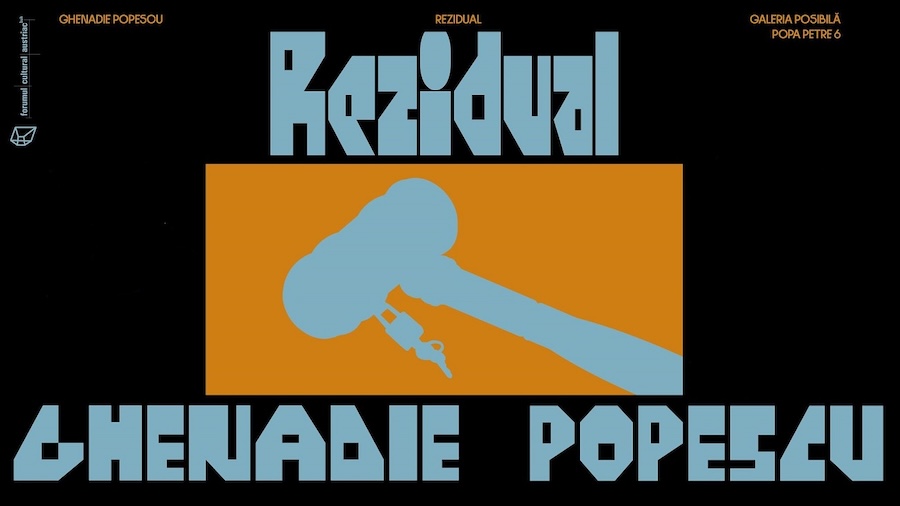
Ghenadie Popescu/David Komary – Rezidual (Galeria Posibilă, 5 February – 4th of April 2026) – www.posibila.ro
Fragments of memories so that history does not repeat itself. After a first version at the Galerie Stadtpark in Krems, Ghenadie Popescu’s exhibition, curated by David Komary, can be seen at the Galeria Posibila in Bucharest. The project addresses the sensitive subject of deportations to Siberia during the Stalinist period. This exhibition project was conceived by David Komary following a series of visits to Bucharest and Chisinau, to the artist’s studio, and is centered on one of Ghenadie Popescu’s most ambitious and long-term artistic researches: “Childhood Memories” (2018 – present). It documents the deportations to Siberia of the inhabitants of the current Republic of Moldova, carried out by Stalin’s regime, between 1941 and 1951. The exhibition presents four of the survivors’ interviews, recorded by the artist and reinterpreted in stop-motion animations.
Irina Neacșu – Linea lignea (OAR – Architects Order in Romania, Bucharest division – Sf. Constantin street, no. 32, 19 February – 2nd of March 2026) – https://irinaneacsu.com/
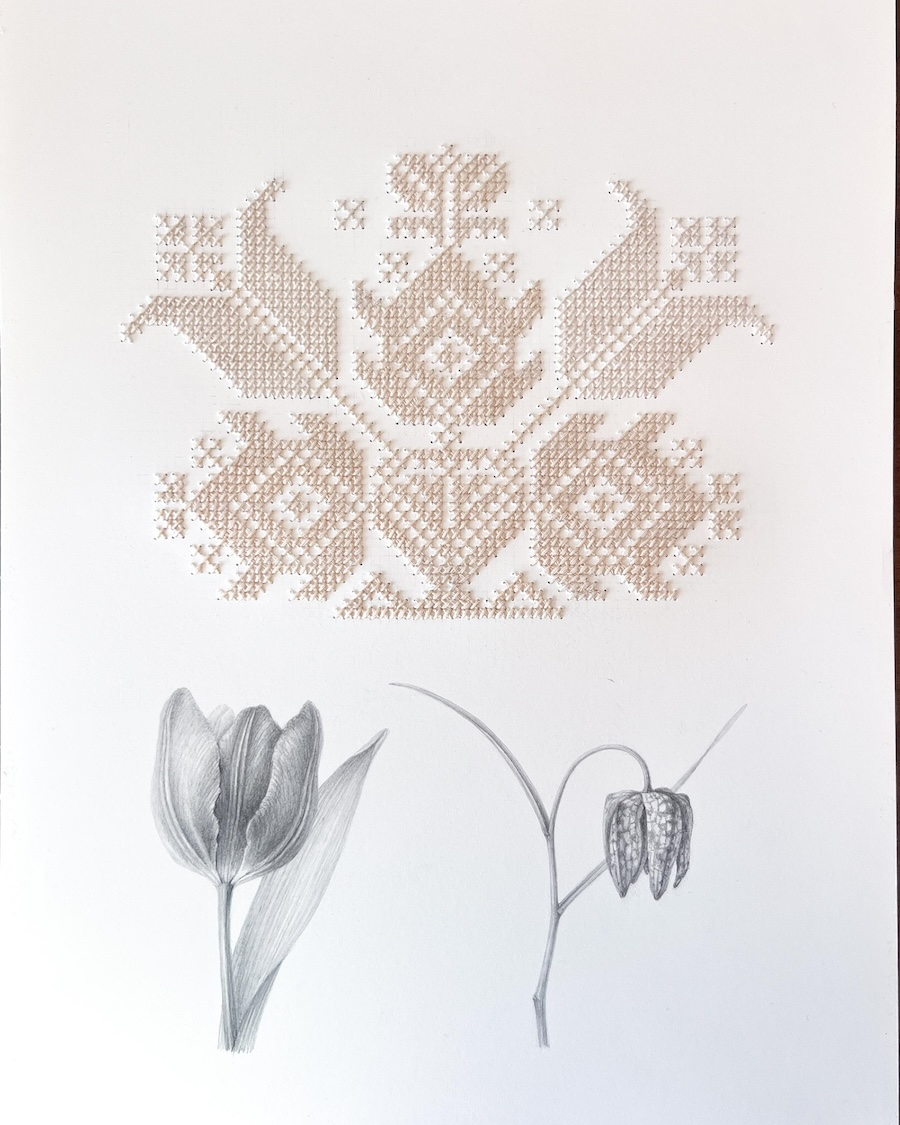
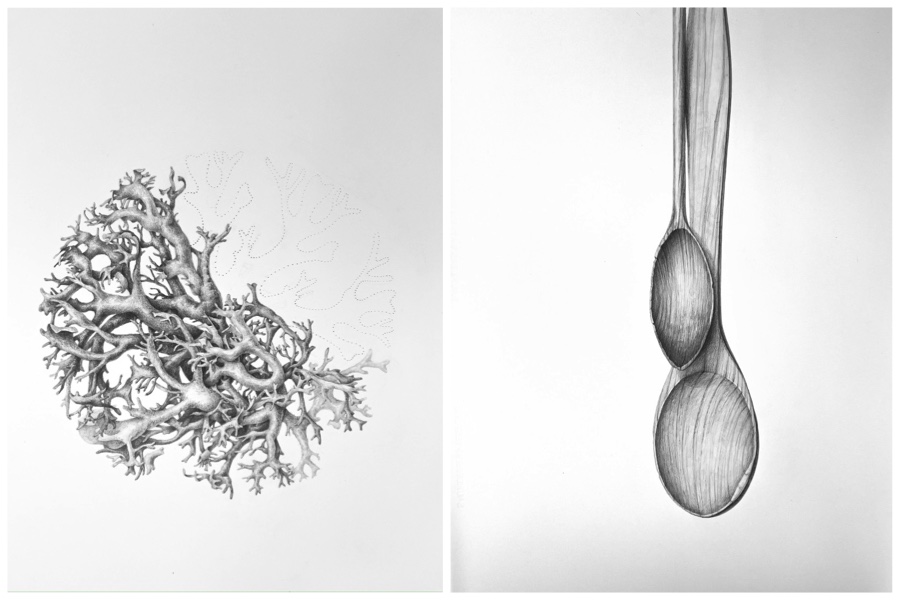
This is an exhibition project that brings together graphic and collage works, sketches and an installation. It builds a perspective on the cultural landscape of southern Transylvania, seen through the prism of the line as a route of travel, drawing and memory. The main technique is graphite drawing on archival paper, and the monochrome aesthetic reflects both the fragility of the drawing and the precariousness of the landscape affected by social changes and the loss of the traditional function of objects. The collection’s opening panels – corn, sunflower and wheat – provide a vegetal context specific to southern Transylvania and set the focus on the wood. The white background is discreetly perforated with decorative motifs inspired by Szekler stitching, evoking textile craftsmanship and the dialogue between botanical drawing and cultural artifact.
Latest feeds @alinaaliman
